How IdLAC Works
Discover the interoperability mechanisms that connect digital identities in the region
The infrastructure that connects digital identities
IdLAC serves as a technological bridge between the national digital identity systems of each participating country. Rather than creating a new regional identity, the system recognizes and validates the identities that already exist in each nation, allowing them to be used securely across borders.
Interoperability is achieved through common technical standards adopted by all countries. Each government retains full control over its citizen database. IdLAC simply facilitates verified communication between these systems, much like a translator who understands each country’s language.
When a citizen attempts to access a public service in another country, their identity is validated in real time with their country of origin. The system encrypts the information, verifies its authenticity, and confirms that the person is who they claim to be. Everything happens in seconds, without the citizen having to present physical documents or create new accounts.
IdLAC’s architecture is based on institutional-level security protocols. Every transaction leaves an auditable record. Data is never stored in a central regional database but remains on national servers, where it has always been. The region simply gains the ability to rely on identities that other countries have already verified.
This infrastructure opens up possibilities that were previously impossible. A student can enroll in a university in another country without duplicating verification processes. A patient can access their medical records at a regional clinic. A worker can apply for social benefits without traveling to their country of origin. Digital identity ceases to be an isolated national document and becomes a credential that works throughout the region.
Applications
Use cases
Cross-border access to public services

Processing Procedures in Another Country Without Duplication
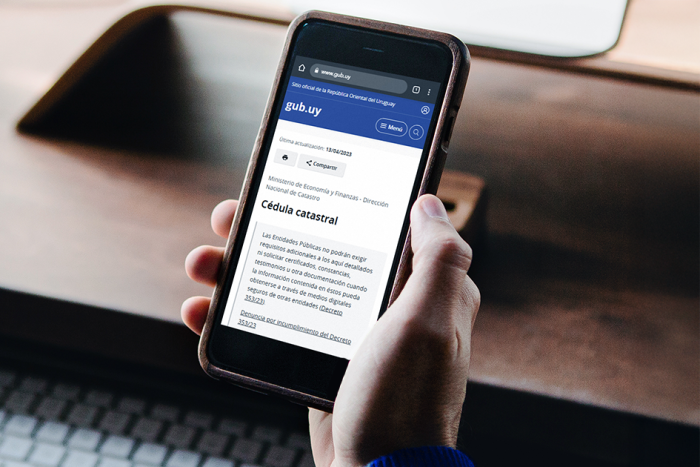
Identity Verification for Regional Procedures

Interoperability in Education and Healthcare
FAQs
Questions and Answers About the Functioning and Scope of IdLAC